

NEWS
When Does Your Packaging Need an Inner Liner?

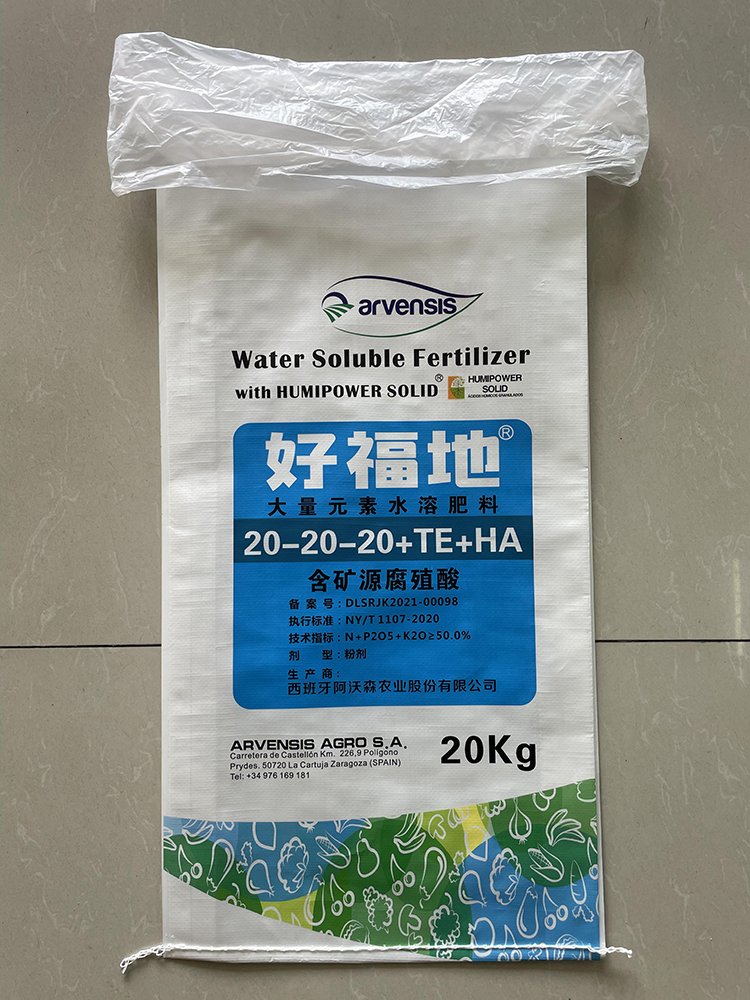
An inner liner adds a separate protective layer inside a woven or paper outer bag. It can improve containment and product protection, but it should be selected for a specific need rather than added automatically.
Moisture-sensitive products
Products that cake, react or lose performance when exposed to humidity may benefit from a liner. The required barrier level depends on storage time, climate, sealing method and the sensitivity of the contents. A liner helps only when its openings and closures are also controlled.
Fine powders and leakage control
Very fine particles can migrate through fabric openings or stitching. A liner creates a more continuous inner surface and can reduce leakage. Seam design, filling pressure and the liner closure still need to be considered as part of the complete containment system.
Product cleanliness
A liner can separate the contents from the structural outer bag and may support applications with higher cleanliness expectations. Material suitability and manufacturing controls should be agreed according to the intended use, especially for food, feed or chemical products.
Common liner formats
- Loose-insert liner: a simple liner placed inside the outer bag.
- Form-fit liner: shaped to follow the bag dimensions and reduce folds.
- Attached liner: secured at selected points to control movement during filling.
- Valve or spout liner: configured around a defined filling or discharge opening.
Points to confirm before ordering
Specify liner material and thickness, dimensions, attachment, opening style and closing method. Also explain how the bag is filled, because air evacuation can become important when a liner reduces breathability.
A liner may increase protection, but it can also affect filling speed, heat sealing, pallet shape and end-of-life sorting. Test the complete package on the production line before approving a final specification.
Outer bag and liner must work together
The outer bag carries the load and provides handling strength; the liner provides the selected barrier or containment function. Treating them as one engineered system helps avoid wrinkles, trapped air, liner pull-out and inconsistent sealing.
Share your product and storage conditions with our team to discuss whether a liner is appropriate.