

NEWS
A Practical Guide to FIBC Bulk Bags

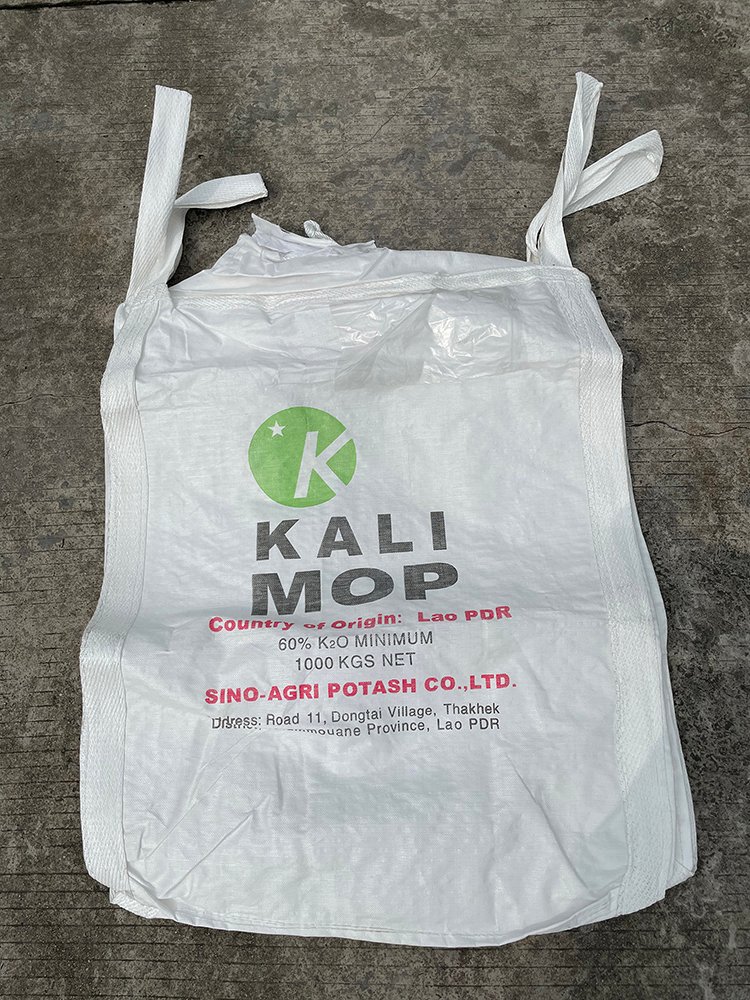
Flexible intermediate bulk containers, commonly called FIBCs or bulk bags, are used to move larger quantities of powders, granules and other flowable materials. They can simplify handling, but the design must be matched carefully to the product and lifting process.
Main parts of an FIBC
The body is made from woven polypropylene fabric and carries the product load. Lifting loops transfer that load to the handling equipment. The top and bottom constructions control filling and discharge, while seams, coatings and liners influence containment.
Top construction options
- Open top: simple access for products that do not require a controlled filling connection.
- Filling spout: connects to filling equipment and can help manage dust.
- Duffle top: provides a wide opening that can be closed after filling.
Discharge options
A flat bottom is suitable when the bag will be emptied by cutting or when discharge control is not required. A discharge spout allows more controlled emptying and may include a closure arrangement. The spout dimensions need to match the receiving process.
Coated fabric and liners
Coated fabric can reduce the passage of fine particles through the weave. A separate polyethylene liner may be used when the product needs additional moisture or contamination protection. Liner attachment and shape should be selected to avoid interference during filling and discharge.
Shape retention and baffles
Standard FIBCs become rounded after filling. Internal baffles can help the bag maintain a more square profile, which may improve pallet use and container loading. The benefit depends on the product flow characteristics and filling method.
Information needed for a safe specification
- Product name, bulk density and flow behavior
- Target net weight and required rated capacity
- Filling, lifting, storage and discharge methods
- Indoor or outdoor exposure and expected storage period
- Need for coating, liner, sift resistance or dust control
- Any food-contact, hazardous-material or regulatory requirements
The safe working load, safety factor and permitted handling conditions must be defined and verified for the specific design. Never assume that two bags with similar dimensions have the same rating, and do not reuse a bag unless its design and documented instructions specifically allow it.
Test the complete handling system
A bulk bag should be evaluated with the actual product, filling equipment, lifting device and discharge station. This confirms not only capacity but also stability, operator access and process compatibility.
View our FIBC bulk bag range or contact us with your handling requirements.